Physical Address
304 North Cardinal St.
Dorchester Center, MA 02124
Physical Address
304 North Cardinal St.
Dorchester Center, MA 02124
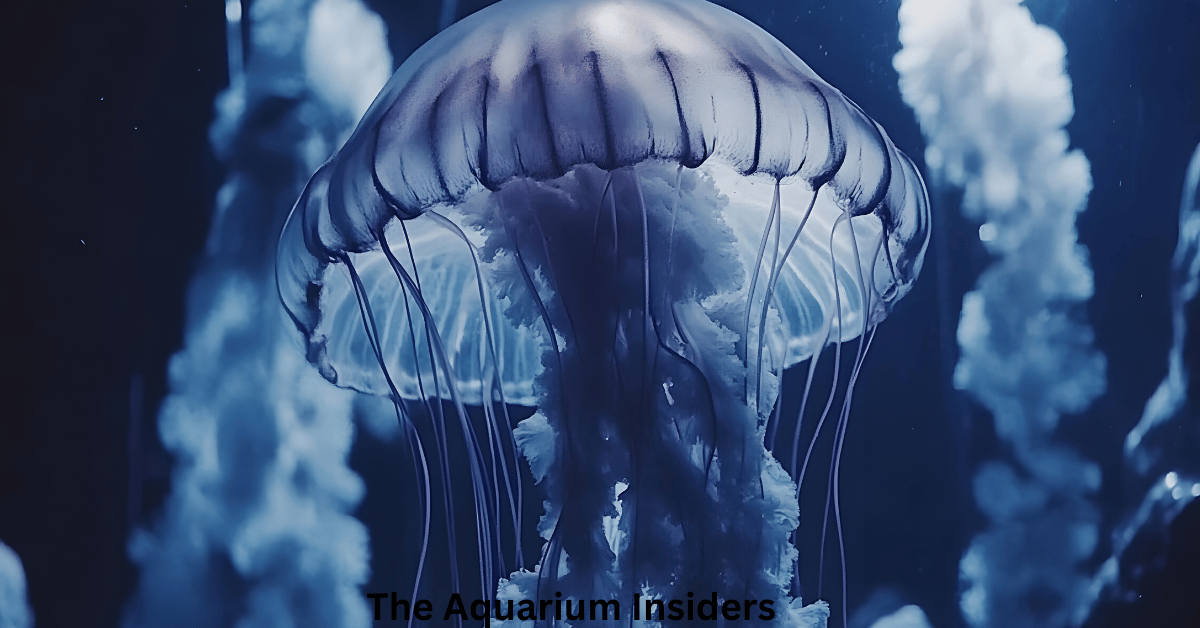
Travel is no longer just about ticking places off a list.
Many travelers today want their journeys to mean something.
They want to learn, respect nature, and leave a positive impact.
One surprisingly powerful way to do that is by visiting aquariums.
Aquariums are more than tourist attractions.
When visited thoughtfully, they can shape how we travel, consume, and care for the planet.
Let’s explore how aquariums can help you become a more responsible traveler.
The ocean covers over 70% of our planet.
Yet most travelers only see beaches and coastlines.
Aquariums give you a window into what lies beneath.
You learn about coral reefs, mangroves, and deep-sea habitats.
You see how delicate these ecosystems really are.
Many aquariums explain how pollution, overfishing, and climate change affect marine life.
Seeing these stories up close creates awareness that guidebooks often fail to deliver.
Once you understand the ocean better, you travel with more care.
After visiting an aquarium, simple travel decisions feel different.
You think twice about:
Aquariums often promote sustainable fishing and responsible tourism.
These messages stay with you long after your visit.
As a traveler, awareness changes behavior.
And behavior shapes impact.
Not all wildlife experiences are created equal.
Many travelers unknowingly support harmful attractions.
Examples include animal shows or places that exploit wildlife for photos.
Reputable aquariums focus on:
They help travelers understand the difference between ethical and unethical wildlife tourism.
This knowledge helps you make better choices wherever you travel next.
Many modern aquariums support real conservation work.
This can include:
When travelers see where ticket money goes, it builds trust.
It also shows how tourism can support conservation instead of harming it.
Responsible travelers look for experiences that give back.
Aquariums often do exactly that.
Climate change can feel abstract while traveling.
Aquariums make it real.
You learn how rising temperatures affect coral reefs.
You see how ocean acidification impacts shell-forming species.
You understand why polar species are at risk.
When climate change becomes visual, it becomes personal.
Responsible travelers are informed travelers.
And informed travelers make better long-term decisions.
Aquariums are often major educational centers.
They work with:
By visiting aquariums while traveling, you support local education efforts.
You also help fund awareness programs for future generations.
Responsible travel is not just about nature.
It is also about supporting communities that protect it.
A responsible traveler respects wildlife from a distance.
Aquariums reinforce this idea.
You observe animals without disturbing them.
You learn why touching, feeding, or chasing wildlife is harmful.
This mindset transfers to real-world travel experiences.
Whether snorkeling, diving, or whale watching, respect comes first.
The best aquariums don’t just entertain.
They inspire.
Many travelers leave with:
Some even change how they live at home.
That is the true mark of responsible travel.
The impact continues long after the trip ends.
Not all aquariums operate the same way.
As a responsible traveler, choose wisely.
Look for aquariums that:
Reading reviews and official websites helps.
Responsible travel starts with informed choices.
Visiting aquariums can change how you see the world.
They connect travel with education, responsibility, and conservation.
When approached thoughtfully, aquariums:
Being a responsible traveler is not about perfection.
It’s about learning and improving with every journey.
And sometimes, that journey starts behind glass.