Physical Address
304 North Cardinal St.
Dorchester Center, MA 02124
Physical Address
304 North Cardinal St.
Dorchester Center, MA 02124
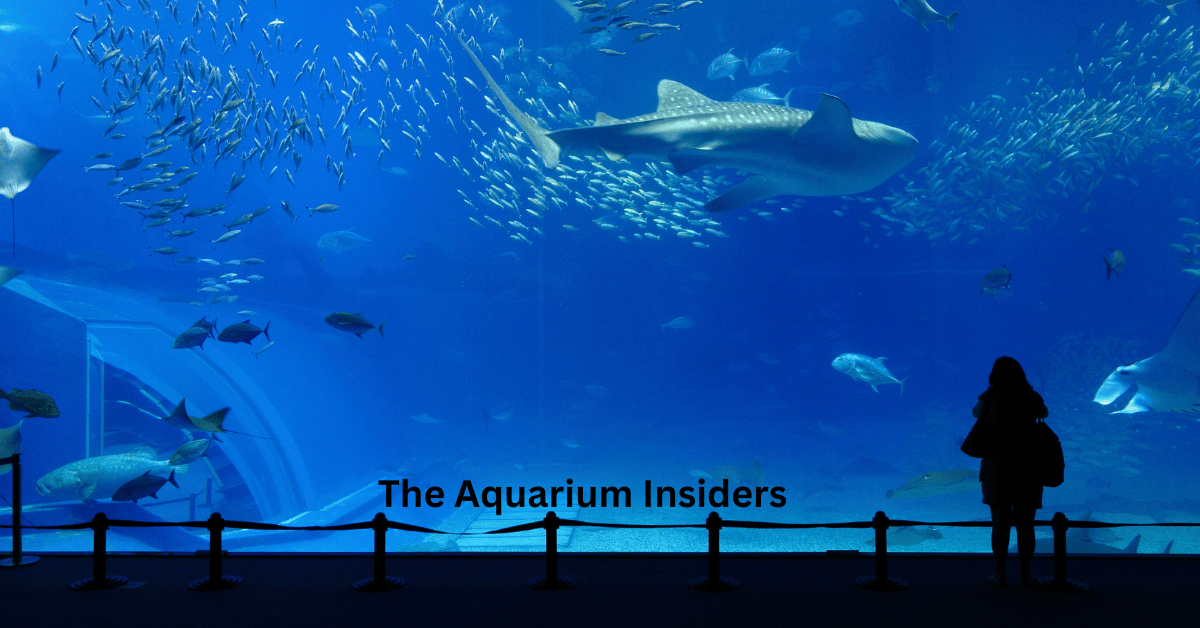
The Middle East has some excellent aquariums. A few are huge, modern attractions inside mega-malls. Others are smaller and more local, with a strong focus on regional marine life.
This guide keeps things honest. I’m only including aquariums that are well-known, publicly visitable, and easy to verify through official sources.
Not everyone wants to snorkel or scuba dive. Aquariums give you that “underwater” feeling in a safe, comfortable way.
When the temperature climbs, indoor attractions matter. Aquariums are usually air-conditioned and family-friendly.
Many aquariums in the region highlight the Arabian Gulf and the Red Sea. That’s great if you want context before a beach day, a boat trip, or a dive.
Solo travelers can take their time. Families get an easy half-day plan. Couples get a relaxed, photo-friendly visit.
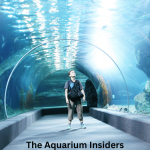
This is one of the most famous aquariums in the region, right inside Dubai Mall. You can see parts of it from the public mall area, which is handy if you’re curious but not ready to buy a ticket yet. The paid experience includes the main exhibits and the underwater tunnel-style viewing. (Dubai aquarium and underwater zoo)
Why visit?
Atlantis has long been known for its aquarium experience. Current official pages also use “Lost World Aquarium” branding in some places, but visitors still commonly refer to it as “The Lost Chambers.” It’s designed like a themed “lost city” walk-through with marine life all around you. (atlantis.com)
Why visit?
If you want the biggest “purpose-built” aquarium experience in the UAE, put this high on your list. Official announcements describe it as the largest aquarium in the Middle East, located at Al Qana in Abu Dhabi. (alqana.ae)
Why visit?
Sharjah Aquarium is a great choice if you prefer a calmer, more local-feeling visit. Sharjah tourism sources describe multiple tanks recreating local aquatic environments like coral reefs, lagoons, and mangroves. (Visit Sharjah)
Why visit?
Fakieh Aquarium is one of the best-known public aquariums in Saudi Arabia, located on the Jeddah Corniche. Saudi tourism sources describe it as a family-friendly place to explore marine life, with practical visiting info like opening times and ticket pricing listed publicly. (fakiehaquarium.com)
Why visit?
Oman Aquarium markets itself as Oman’s first recreational and educational aquarium project, located at the Mall of Muscat. The official site describes a theme tied to historic Omani seafaring journeys, which gives it a distinct local identity. (Oman Aquarium)
Why visit?
This is a different kind of aquarium experience. It sits inside a visitor centre connected to Hamad Port, and it highlights Qatari marine life through multiple basins and tanks. Visit Qatar lists it as a family-friendly stop, and the visitors centre site describes the aquarium’s tank setup and focus on local species. (Visit Qatar)
Why visit?
Bahrain’s newer large-scale aquarium options include Marassi Aquarium & Underwater Zoo, which presents itself as a major marine attraction with many exhibits and species. (Marassi aquarium and underwater zoo)
Why visit?
Kuwait’s Scientific Center includes an aquarium as part of a broader science-focused venue. It’s often recommended for families because it mixes marine displays with hands-on learning. (Wikipedia)
Why visit?
Aqaba’s aquarium is smaller than the mega-attractions in the Gulf, but it can still be worth it if you care about the Red Sea. Travel guides describe it as a place to see local fish and corals and get a preview of what you might spot while snorkeling or diving. (Lonely Planet)
Why visit?
Many of these attractions sit inside major tourist zones. Mornings usually feel easier.
Most people don’t need a full day. Pair your aquarium visit with a nearby plan (mall, waterfront, museum, or beach).
If you tell me which countries you want to cover first (UAE only, Gulf only, or the full region), I can turn this into a blog-ready version with a tighter route-style structure and a short FAQ section for Google “People Also Ask.”